We have never lived alone — the tool
Where do the tenants of your body live?
About as many bacteria live in the human body as there are human cells. They do not live only in the gut. They live wherever the body meets the outside. Tap a spot.
Board 1 · A map of the neighbourhoods
Tap a dot on the body or a label below. For each place you get who lives there · what they do · what they like, and one common misunderstanding.
Tap a dot and that neighbourhood's story appears here.
How crowded a place is shown not as an exact number but as a size compared with the others. If the gut is a great city, the skin is a desert and the armpit an oasis. The numbers differ from person to person, and through the day.
Board 2 · A gallery of faces
These are the neighbours' faces. Bacteria, fungi and viruses are as different from one another as a person is from a tree. Tap a face to see where it lives and what it does. They are not drawn to scale — in reality, if a virus is a pea, a bacterium is a football and a yeast is a basketball hoop.
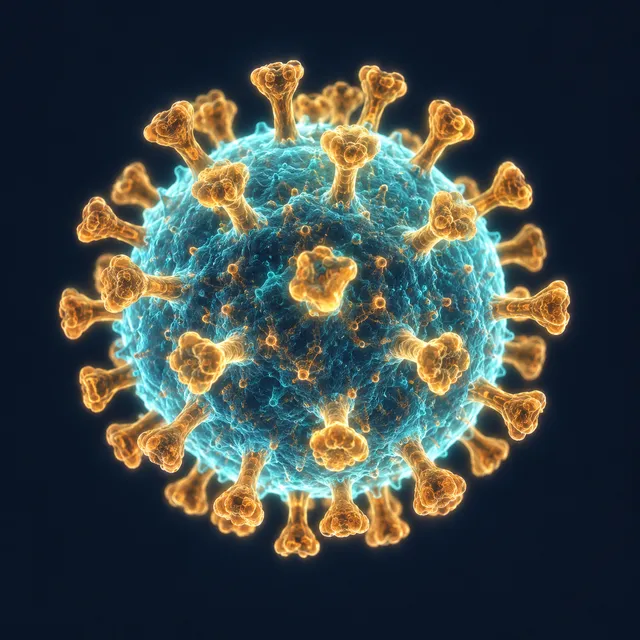
These are not photographs but pictures drawn in the same style as the body map. The shapes follow what is really seen through an electron microscope.
Board 3 · Lay the table
Drag food onto the plate. It holds up to five. Watch which of the two fellows beside the plate gets excited.


This is not an exact nutritional calculation but a comparison of who likes what. One meal does not change the gut, but a plate like this every day slowly changes which crowds flourish.
Board 4 · True, or a misunderstanding?
Here are the common misunderstandings from the end of each part of the series. Read the sentence and choose True or Myth. There are sixteen.
It is fine to get them wrong. Most of these were planted by advertising and by grown-ups, and a few were believed by scientists themselves until recently (the lungs are sterile; no bacteria can live in the stomach).
The story behind the dots
What you tapped here is written up in these pieces. They read far more easily after you have tried it.
Most of the body's microbes cause no disease. If anything, they occupy the space so that unwelcome visitors cannot settle. That is why using antibacterial soap and disinfectant all over the body is not always a good thing — make the desert more of a desert, and whoever arrives first moves in.