Feature
One Director's Questions
The Olive Tree Below
Watch the film first. It is 25 minutes long. Then think through together eight questions held by the director who made it. When a person is gone, where does their information go? Whose was the breath I have just breathed in? Why does time not run backwards? The questions of a director who never studied science meet the scientists who asked them first, and we see in turn how far science has answered and what it does not yet know.
The director of this film is the person who makes the Science Atlas. That is why the questions could be set down in the order in which they actually came.
Finalist, 2026 Korea AI Content Awards · screening at Lotte Cinema in October
First · watch the film · 25 minutes
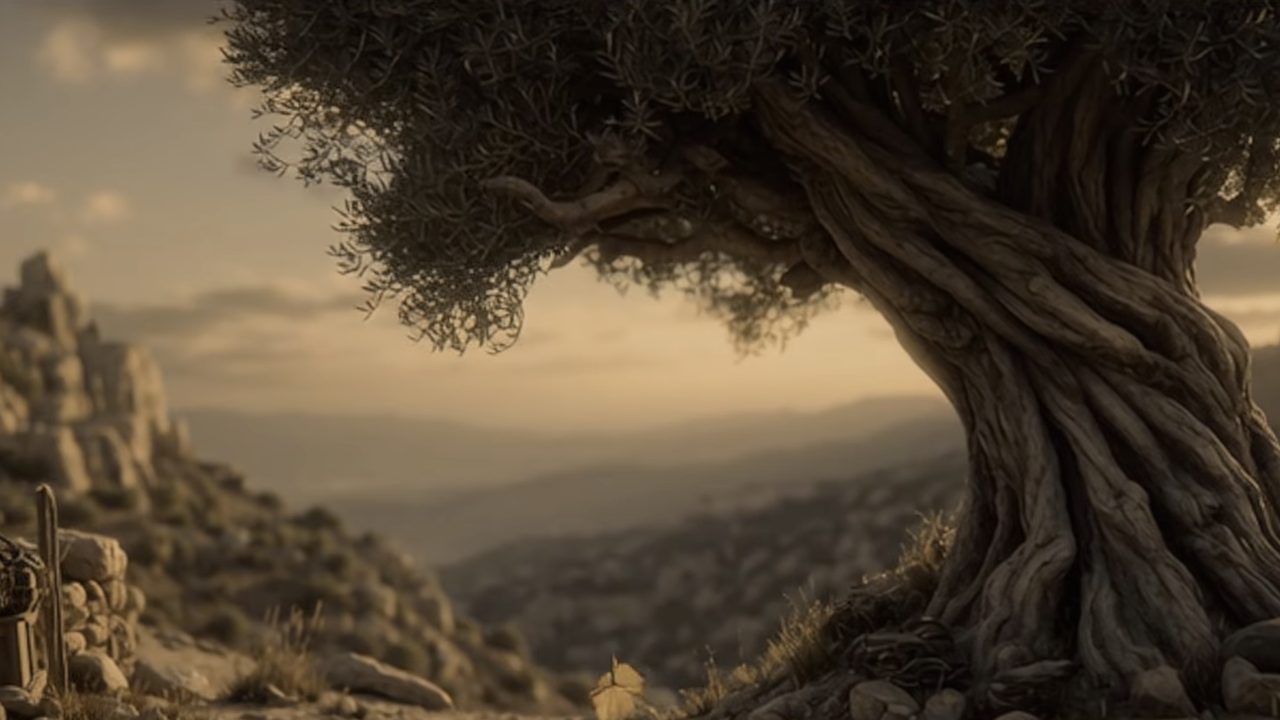
After the film, open the questions one at a time. The articles do not give away the ending, but they come much closer if you know the scenes and the lines. The film is in Korean.
Second · the first questions — the two that started this film
This film began with two questions.
One was: when a person leaves the world, where does that person's information go? A face and a voice, turns of phrase and memories. I imagined it might become a wave, drifting somewhere. And if so, might the wave be gathered again? The wave-collecting device in the film came from that.
The other was: if Jesus saw what this earth looks like now, what would he think? Science has advanced and the world is said to have got better, yet somewhere on the planet people are dying even now, and no small part of that violence has been done in the name of religion. I wanted to understand it, and I tried to imagine with what eyes the children living today in the middle of that war see the world. I thought of Jesus partly because so many believe in him, and partly because it seemed to me that many are also busy piling up wealth in his name. Seeing that, might he not ask, “Is that how I taught you?” The regret in the film's song — “Was it for this that I saved the world?” — came from the same question.
The first is a question that can be put to science, and the eight pieces below follow that road. The second is not one science can answer, so it is linked on to the Philosophy Atlas (in Korean).
Third · eight questions to think through — in the order the director's thoughts actually ran
Start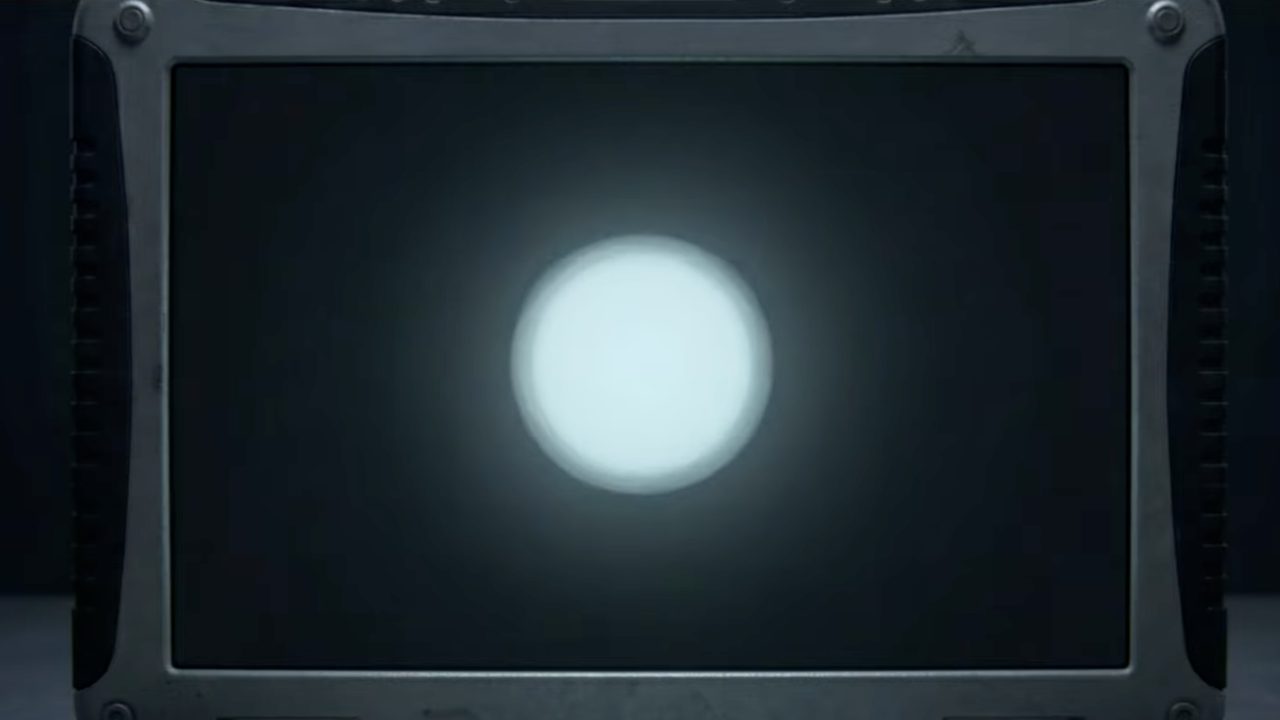 Where does a person's information go when they die?Could a person's traces remain as waves and be gathered again?Went before · Marconi · HawkingRead →
1
Where does a person's information go when they die?Could a person's traces remain as waves and be gathered again?Went before · Marconi · HawkingRead →
1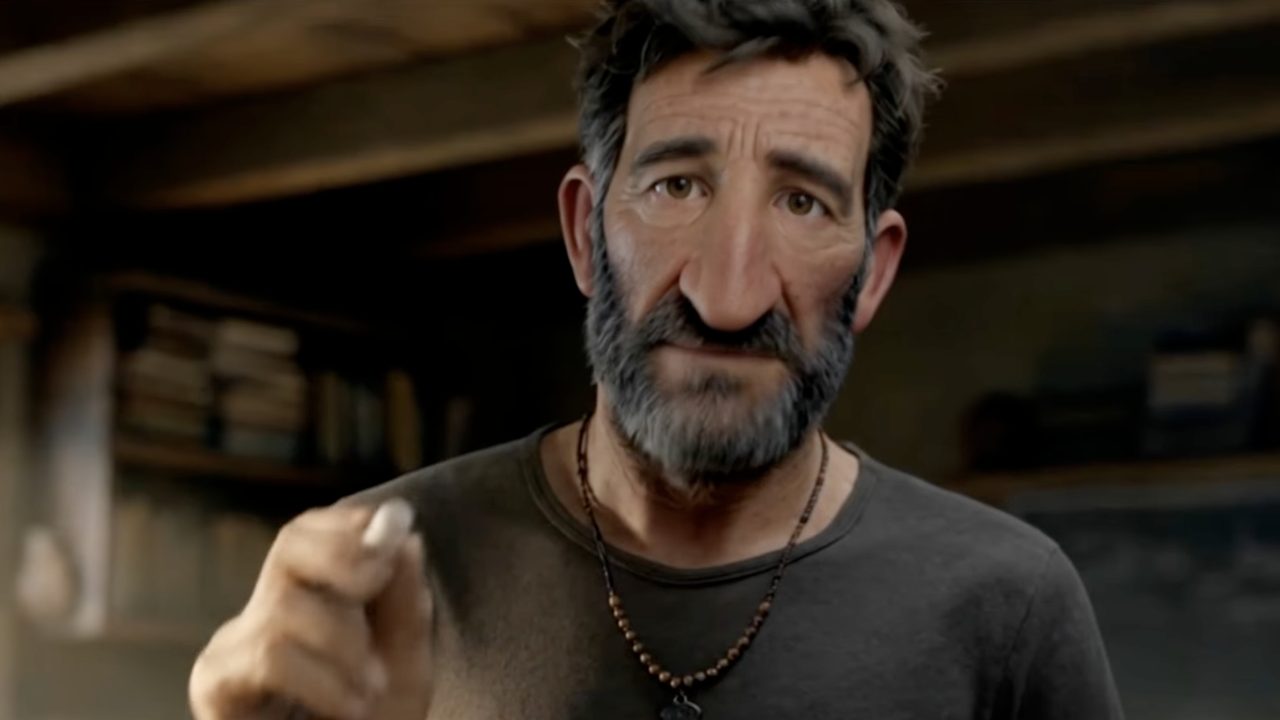 What does a person leave behind?Photographs, a voice, writing, the me in other people's memories: are these information too?Went before · ShannonRead →
2
What does a person leave behind?Photographs, a voice, writing, the me in other people's memories: are these information too?Went before · ShannonRead →
2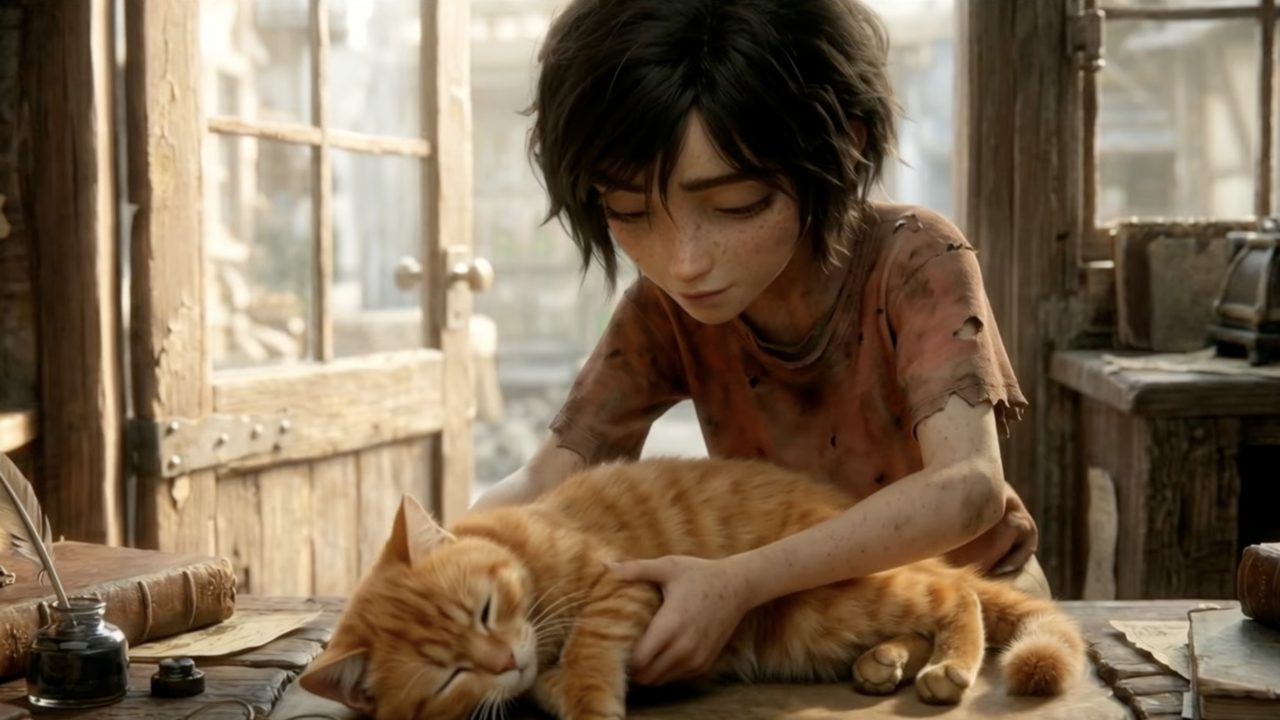 How many hands does carbon have?What holds atoms together so that they become a body?Went before · Kekulé · PaulingRead →
3Whose breath did I just breathe in?If the breath of Admiral Yi Sun-sin is mixed into mine, where does that breath go next?Went before · van Helmont · Sam Kean · Jeong Jae-seungRead →
4
How many hands does carbon have?What holds atoms together so that they become a body?Went before · Kekulé · PaulingRead →
3Whose breath did I just breathe in?If the breath of Admiral Yi Sun-sin is mixed into mine, where does that breath go next?Went before · van Helmont · Sam Kean · Jeong Jae-seungRead →
4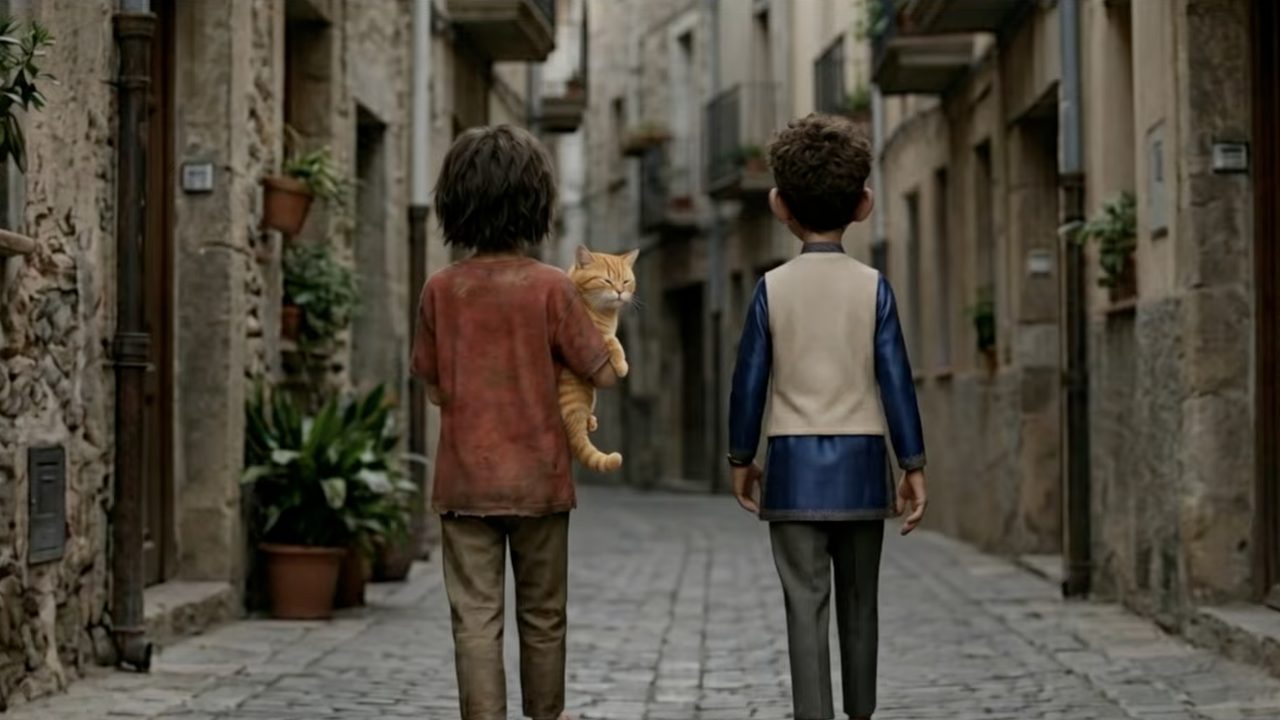 Do atoms remember whose breath they were?Can another person's feelings reach me on their breath?Went before · SchrödingerRead →
5
Do atoms remember whose breath they were?Can another person's feelings reach me on their breath?Went before · SchrödingerRead →
5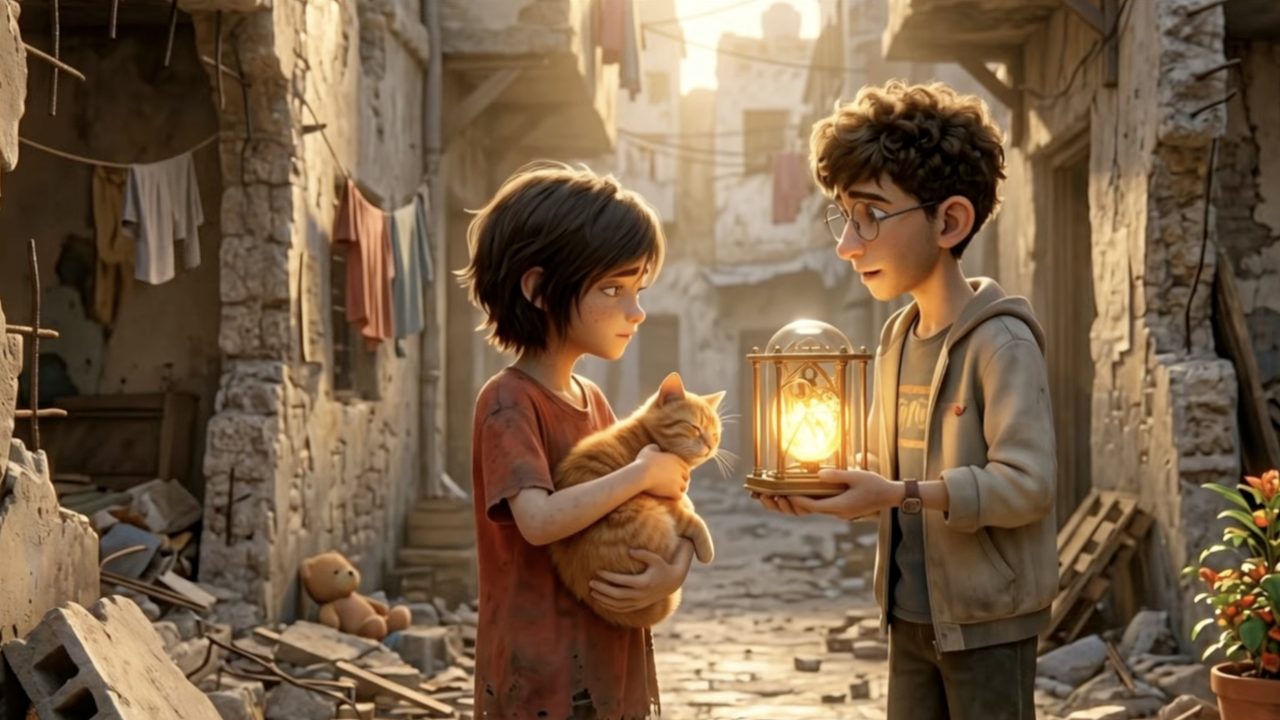 What is in empty space?Is it really true that an electromagnetic field is spread through the world?Went before · Maxwell · Michelson and MorleyRead →
6
What is in empty space?Is it really true that an electromagnetic field is spread through the world?Went before · Maxwell · Michelson and MorleyRead →
6 Why doesn't time run backwards?Could there be a universe in which a burnt book comes back together?Went before · Boltzmann · Barbour · CarrollRead →
7
Why doesn't time run backwards?Could there be a universe in which a burnt book comes back together?Went before · Boltzmann · Barbour · CarrollRead →
7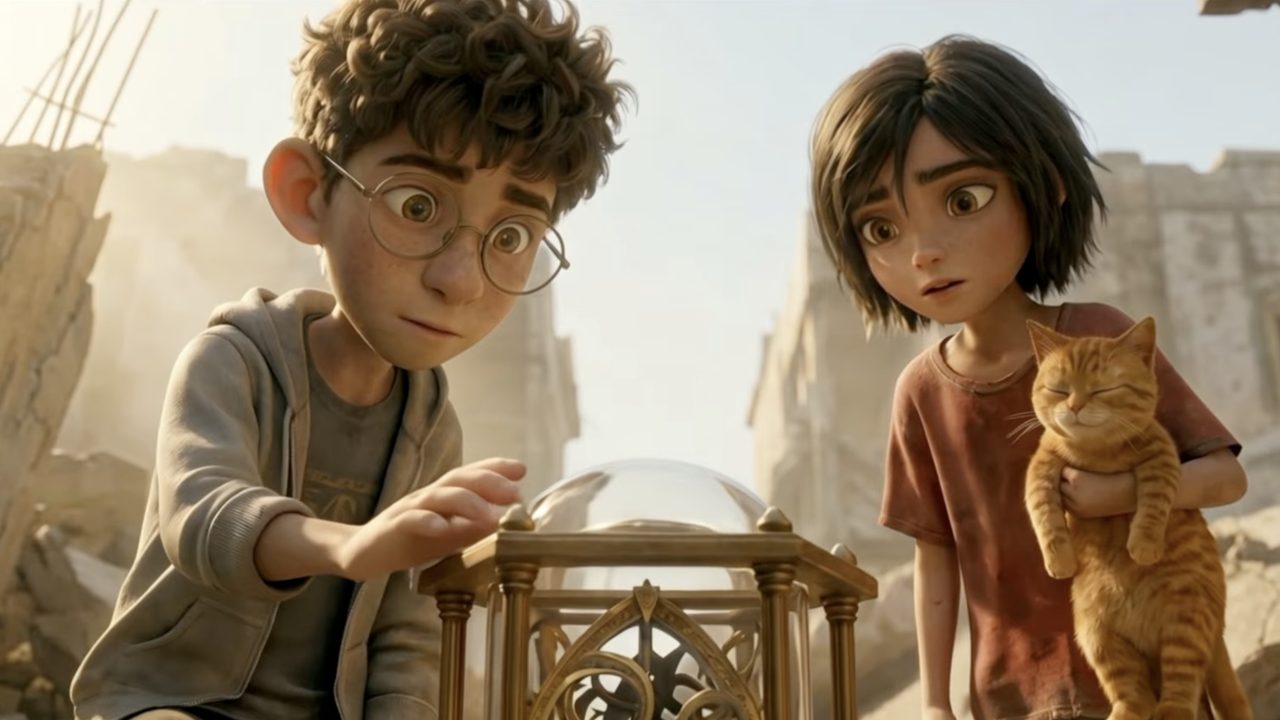 Is there a special atom of life?Might there be an atom of life that carries the blueprint of the body?Went before · Wöhler · Schrödinger · FranklinRead →
The line each piece draws
Pieces that examine which scientific theories other people's films have borrowed are in the series “Science on the Screen” in the Library. This page follows the questions of the person who made the film.